
Understanding Luck in Gambling
Luck is often regarded as a pivotal factor in the world of gambling, where many players believe their fortunes hinge on it. This perception, however, can be misleading. Luck can be seen as a random chance devoid of any control, but in reality, it only influences individual gaming sessions. The long-term outcomes are predominantly dictated by the mathematical odds that are integral to each game. For instance, when playing slot machines, each machine is designed with a specific return-to-player percentage, which indicates the probability of winning over an extended period, while players seeking to maximize their bankroll might consider options such as online casino canada fast withdrawal to enhance their experience. This highlights that success is more about grasping the mechanics of the games than merely depending on luck.
It is crucial to understand that luck is not evenly distributed among all players. Some individuals may find themselves on a winning streak, while others might suffer through extended losing periods, creating a perception that certain gamblers possess an inherent advantage. This inconsistency can give rise to the false belief that some people are simply born lucky. The reality is that luck is unpredictable; even seasoned players can experience unfavorable runs. When players rely too heavily on luck, it can lead to disappointment and potentially reckless betting habits if they do not approach gambling with a balanced mindset.
Moreover, superstitions often accompany the belief in luck, as many players adopt rituals or charms in hopes of improving their odds. While these practices may provide psychological comfort, they do not change the fundamental mechanics of the games. A player’s belief in luck can influence their decisions and overall gaming experience, but it is essential to engage in gambling with a firm understanding of the probabilities involved rather than solely depending on the whims of fate.
The Role of Strategy in Casino Games
Though luck undeniably plays a role in gambling, employing a well-thought-out strategy can significantly improve a player’s chances of success across various casino games. Games like poker, blackjack, and even certain betting strategies in roulette underscore the importance of strategic thinking. For instance, in blackjack, knowing when to hit, stand, or double down based on the dealer’s visible card can substantially enhance a player’s odds. This strategic approach is based on statistical analysis and demonstrates that informed decisions can lead to success, rather than leaving outcomes to chance alone.
In the realm of poker, the importance of skill becomes even more pronounced. Players who understand the mathematics behind betting, bluffing, and reading their opponents can drastically improve their chances of winning. This dynamic illustrates that while luck may influence individual hands, sustained success hinges on a player’s ability to critically assess situations and make judicious choices. Those who prioritize strategy often outperform those who simply rely on luck to guide them through the game.
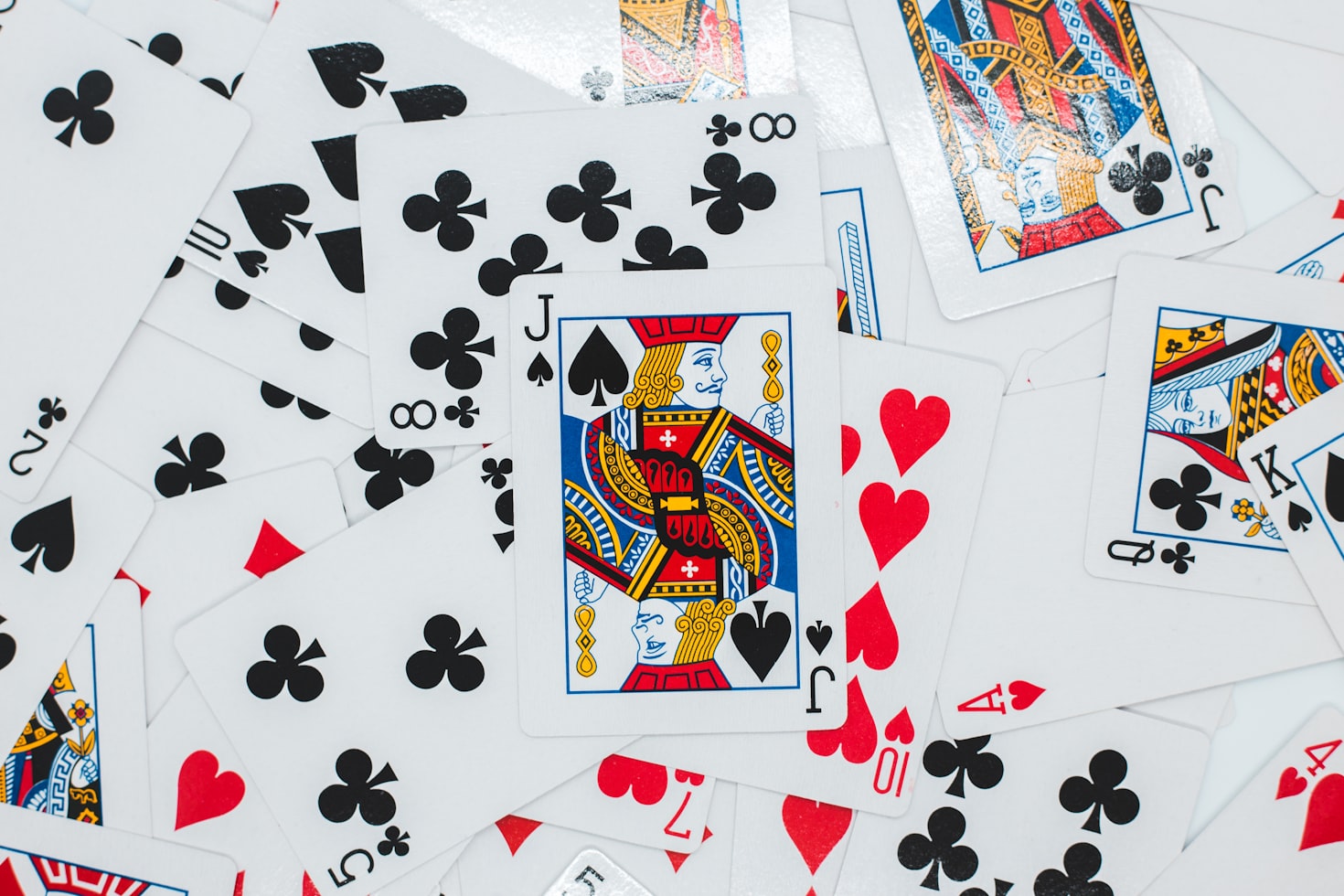
Even in games perceived as primarily reliant on luck, such as slots, players can adopt strategies concerning bankroll management and game selection. Opting for games with higher payout percentages and establishing limits on bets can help mitigate losses while prolonging the enjoyment of play. Therefore, although luck remains a fundamental aspect of gaming, a strategic approach enriches the experience, empowering players to make more informed choices throughout their gambling sessions.
Common Myths Surrounding Casino Gambling
The landscape of gambling is riddled with myths that perpetuate misunderstandings about luck in casinos. A common misconception is the belief in “hot” or “cold” machines, where players insist that certain slot machines or tables exhibit streaks of good or bad luck based on prior outcomes. However, it’s essential to recognize that each spin of a slot machine is an independent event governed by random number generators. This means that previous outcomes have no bearing on what happens next, rendering this belief a psychological construct rather than a factual reality.
Another prevalent myth is that players can influence their luck through specific tactics, such as adjusting their betting patterns or switching tables after a series of losses. While players may feel a sense of control through these actions, they do not change the static odds of the game. This mindset can lead to poor decision-making, encouraging players to chase losses instead of adopting a more rational approach to their gaming experiences.
Additionally, the belief that casinos manipulate games to favor losses can deter some players from fully engaging in the gambling experience. However, it’s crucial to understand that regulated casinos operate under strict guidelines and fairness standards, ensuring that all games remain transparent and randomized. Misinterpretations rooted in these myths can overshadow the enjoyment of gambling, detracting from the strategic elements that can lead to more favorable outcomes for players willing to engage with the games intelligently.
Psychology of Gambling and Luck
The psychological aspects of gambling are intricately linked with the perception of luck. The excitement of winning, often attributed to luck, triggers intense emotional responses in players. This rush can create a cycle where individuals continue to gamble in pursuit of that exhilarating feeling. Such behavior can cloud judgment, leading to decisions made based on emotion rather than a careful evaluation of the probabilities at play.

The brain’s reward system plays a significant role in how gamblers perceive luck. Winning activates a rush of dopamine, reinforcing the belief in luck and potentially fostering gambling addiction. By understanding these psychological triggers, individuals can become more aware of when their perception of luck might be distorted, enabling them to scrutinize their gambling habits with a more critical perspective.
Moreover, social dynamics within the casino environment heavily influence beliefs surrounding luck. Interactions among players, stories of significant wins, and shared experiences can create a collective understanding of luck that may not accurately reflect reality. Acknowledging these psychological factors allows players to approach gambling with a more balanced mindset, emphasizing enjoyment rather than the relentless pursuit of elusive luck.
Exploring Resources for Responsible Gaming
For those eager to explore the intricacies of casinos and the psychology of gambling, a plethora of resources exists to encourage responsible gaming practices. Understanding the balance between luck and skill is essential for players aiming for a safe and enjoyable experience. Numerous websites dedicated to responsible gambling provide invaluable information on recognizing the signs of problem gambling and offer tools for players to set personal limits on their gaming activities.
Furthermore, various organizations are dedicated to raising awareness about gambling addiction and providing support for those in need. These resources emphasize the importance of maintaining control over one’s gambling activities, highlighting effective strategies to ensure that gaming remains a source of entertainment rather than a harmful vice. By educating themselves about the odds, understanding personal limits, and engaging with support networks, players can enhance their overall gaming experience.
Ultimately, being informed and mindful is crucial when navigating the world of casinos. By distinguishing between myths and reality, players can participate in gambling as a recreational activity while making informed decisions regarding their strategies and behaviors. Empowering oneself with knowledge is the most effective way to navigate the complexities of luck in casinos, ensuring a healthier and more enjoyable gaming experience.